

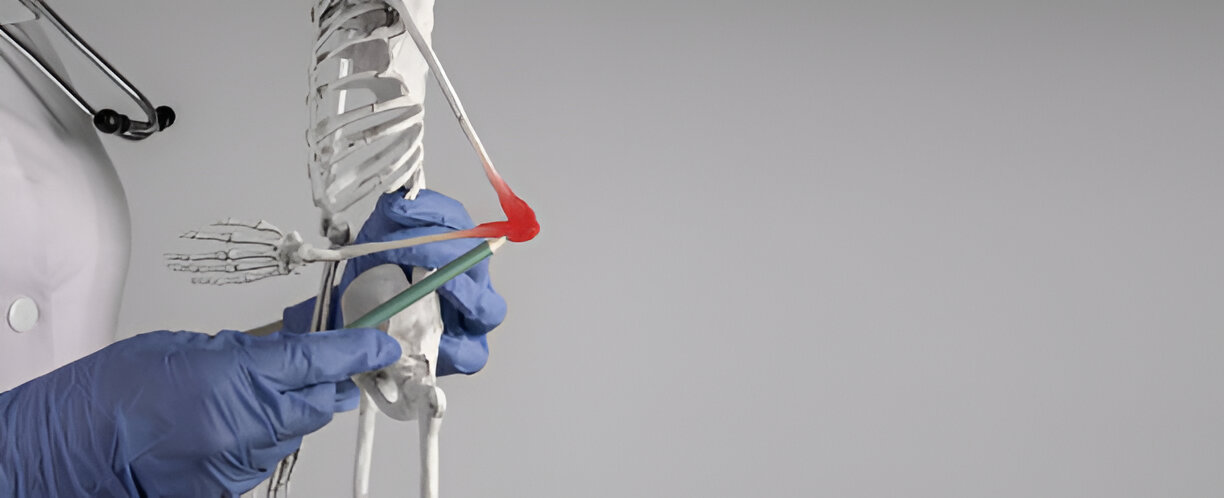
The Role of Orthopaedics in Treating Recurrent Dislocations
Recurrent dislocations, where a joint repeatedly slips out of place, can significantly impact mobility, cause chronic pain, and reduce quality of life. While a single joint dislocation may be managed with non-surgical methods, recurrent dislocations often require orthopaedic evaluation and treatment to address the underlying cause and prevent further injury.This blog explores the vital role that orthopaedic surgeons play in diagnosing, managing, and treating recurrent dislocations.
What Is a Recurrent Dislocation?
A joint dislocation occurs when the bones in a joint are forced out of their normal positions. This can happen due to trauma, sports injuries, or congenital joint laxity. When a joint, such as the shoulder, kneecap, or hip, dislocates multiple times, either spontaneously or with minimal force, it is termed a recurrent dislocation.
Why Orthopaedic Evaluation Is Crucial
Recurrent dislocations are not just painful, they can lead to long-term complications such as joint instability, arthritis, and cartilage damage. An orthopaedic surgeon plays a key role in:
- Incomplete healing of previous injuries
- Weak ligaments or joint capsules
- Muscle imbalances
- Congenital conditions
Common causes include:
- Diagnosing the cause through physical examination and imaging (X-rays, MRI, or CT scans)
- Identifying structural issues like torn ligaments, bone defects, or shallow joint sockets
- Creating a personalised treatment plan that may include physiotherapy, bracing, or surgery
Non-Surgical Treatment Options
In some cases, orthopaedic surgeons may recommend non-surgical management, especially for young or low-risk patients. These include:
- Physical therapy to strengthen the surrounding muscles and stabilise the joint
- Bracing or taping to support the joint during activity
- Activity modification to avoid movements that cause dislocation
- Pain management using anti-inflammatory medications
Non-Surgical Treatment Options
In some cases, orthopaedic surgeons may recommend non-surgical management, especially for young or low-risk patients. These include:
- Physical therapy to strengthen the surrounding muscles and stabilise the joint
- Bracing or taping to support the joint during activity
- Activity modification to avoid movements that cause dislocation
- Pain management using anti-inflammatory medications
This approach is often effective for mild cases or when surgery isn’t immediately necessary.
Surgical Treatment for Recurrent Dislocations
When conservative treatment fails or the risk of further damage is high, surgical intervention may be needed. Orthopaedic procedures vary based on the joint involved and the extent of damage:
- Shoulder dislocations: Procedures like the Bankart repair, Latarjet procedure, or capsular tightening restore stability
- Knee dislocations (patellar instability): Realignment procedures, MPFL reconstruction, or tracheoplasty are common
- Hip dislocations: Often require labral repair, capsule tightening, or even hip arthroscopy
These surgeries aim to repair torn ligaments, correct bone deformities, and restore joint alignment, significantly reducing the chances of future dislocations.
Rehabilitation and Follow-Up
Post-surgery, orthopaedic care doesn’t end in the operation theatre. A structured rehabilitation program is essential to regain strength, range of motion, and confidence. Regular follow-ups help track progress and prevent complications.
Recurrent dislocations should never be ignored. They are a sign that your joint needs specialised attention. Orthopaedic surgeons are equipped with the knowledge, tools, and techniques to identify the root cause and provide long-term relief, whether through physiotherapy, minimally invasive surgery, or comprehensive rehabilitation.

© 2025 Limelite. All rights reserved.