

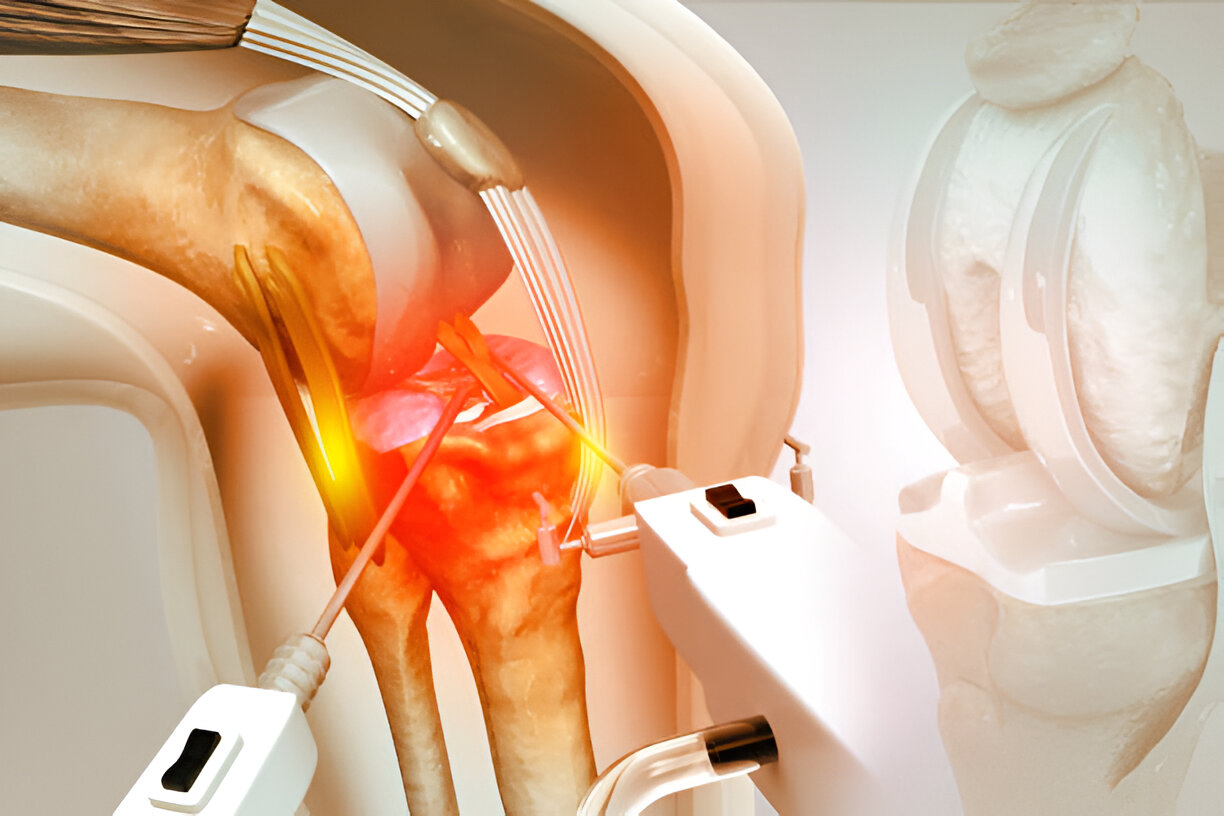
Early Signs You Might Need a Knee Replacement
Knees are among the hardest-working joints in the body, supporting your weight and movement every single day. However, wear and tear over time or underlying conditions like osteoarthritis can significantly damage the joint. While knee replacement surgery isn’t the first line of treatment, it becomes a viable option when conservative methods like medication, physiotherapy, and lifestyle changes fail. Recognizing the early signs can help you take timely action and improve your quality of life. Here's what to watch for:
1. Persistent Pain
The most common and telling sign is ongoing knee pain that doesn’t go away with rest, medication, or physical therapy. This pain might be felt during movement, while resting, or even while sleeping. If the pain is affecting your daily life and basic tasks like walking, climbing stairs, or getting out of a chair, it might be time to consider a surgical option.
2. Stiffness in the Joint
Do you find it difficult to bend or straighten your knee completely? Morning stiffness or stiffness after sitting for long periods could indicate that the cartilage in your knee has worn down. When range of motion is consistently restricted, it may be a sign that your knee joint is severely damaged and may benefit from replacement.
3. Swelling That Doesn’t Go Away
Occasional swelling can happen due to injury or overuse, but chronic swelling that doesn’t improve with rest or anti-inflammatory medication may indicate internal joint damage. Long-term inflammation could signal advanced arthritis or cartilage degeneration, which could necessitate surgical intervention.
4. Grinding or Popping Sounds
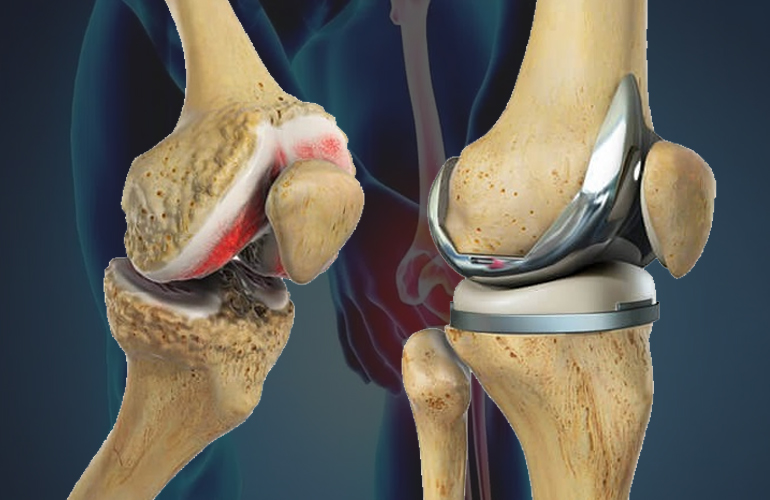
If you frequently hear popping, clicking, or grinding sounds when you move your knee, and they’re accompanied by pain or instability, this could be a sign of bone-on-bone contact due to worn-out cartilage. These sounds, also known as crepitus, are often linked to advanced joint degeneration.
5. Visible Deformity
As arthritis progresses, it can alter the alignment of your knee. You may notice a bow-legged or knock-kneed appearance, or a noticeable change in how you walk. These structural changes can strain other parts of the body and further accelerate joint damage.
6. Limited Mobility and Dependency on Support
If you're increasingly relying on a cane, walker, or handrails to move around, it's a red flag. Difficulty walking even short distances or avoiding social and physical activities due to knee problems is a sign that your knee is no longer functioning effectively.
Knee replacement is not just about eliminating pain; it's about restoring mobility and improving your overall quality of life. If these symptoms sound familiar, it might be time for a professional evaluation. Early diagnosis and timely intervention can save you from prolonged discomfort and help you regain your independence.

© 2025 Limelite. All rights reserved.