

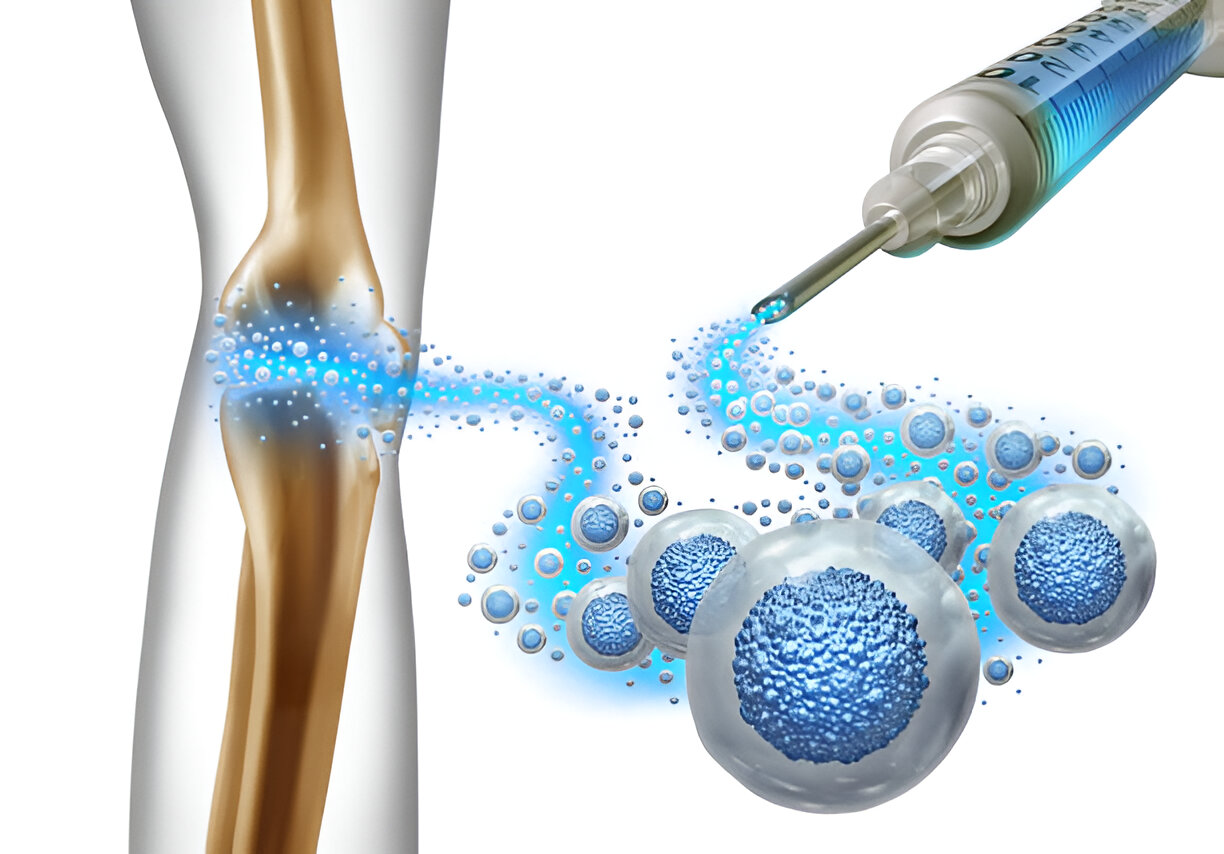
How to Prevent Bone Injuries in Daily Life
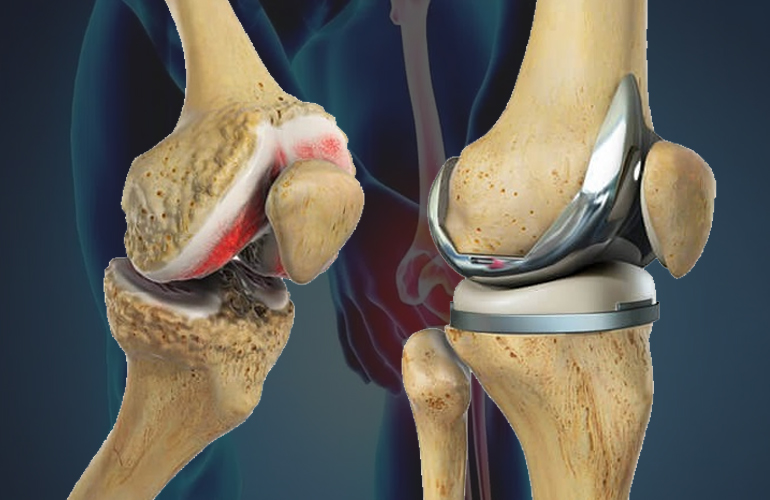
Bone injuries, such as fractures, sprains, and dislocations, are more common than we think, and they don’t just happen during sports or accidents. Everyday activities like slipping in the bathroom, lifting heavy objects incorrectly, or even poor posture over time can lead to serious orthopaedic issues. The good news is that most bone injuries are preventable with a few mindful practices. Here’s how you can protect your bones and stay injury-free daily.
1. Stay Physically Active
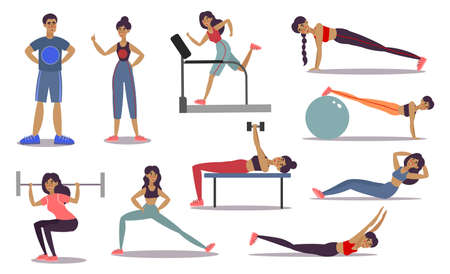
Engaging in regular weight-bearing exercises such as walking, jogging, yoga, or dancing helps build and maintain bone density. Strength training exercises improve muscle mass and joint stability, reducing your risk of falls and injuries. Even simple activities like stretching improve flexibility and reduce stiffness in joints and ligaments.
2. Eat a Bone-Friendly Diet
Your bones need calcium and vitamin D to stay strong. Include foods like milk, yogurt, cheese, leafy greens, nuts, and fish in your daily meals. Vitamin D, crucial for calcium absorption, can be obtained from sunlight, fortified foods, and supplements if needed. Protein and magnesium are also essential for overall bone health.
3. Practice Good Posture and Ergonomics
Improper posture while sitting, lifting, or even sleeping can lead to chronic strain and injuries. Always bend your knees when lifting heavy objects and keep your back straight. Use ergonomic furniture if you work long hours at a desk, and avoid hunching over smartphones or laptops.
4. Wear the Right Footwear
Footwear with poor grip or lack of support increases your chances of slips and falls. Choose shoes that provide proper arch support and cushioning. At home, avoid walking barefoot on slippery floors and use anti-slip mats in the bathroom and kitchen.
5. Create a Fall-Proof Environment
Falls are one of the leading causes of bone injuries, especially among older adults. Keep floors clutter-free, ensure adequate lighting in hallways and staircases, and fix any loose rugs or tiles. Install grab bars in bathrooms and use handrails when climbing stairs.
6. Avoid Overexertion
Know your limits when engaging in physical activity. Trying to lift more than your body can handle or exercising with improper form can lead to serious injuries. Always warm up before workouts and cool down afterward.
7. Stay Hydrated and Avoid Smoking or Excessive Alcohol
Dehydration can affect muscle function and coordination, increasing your fall risk. Smoking and excessive alcohol consumption can weaken bone density and slow healing after an injury. Staying hydrated and maintaining a healthy lifestyle support overall musculoskeletal health.
Your bones support every movement and protect vital organs, so taking care of them should be a daily priority. With the right habits and precautions, you can minimize the risk of injury and enjoy a life of movement, strength, and independence. If you have recurring pain or suspect a bone issue, don’t ignore it—consult an orthopaedic specialist promptly.
© 2025 Limelite. All rights reserved.