

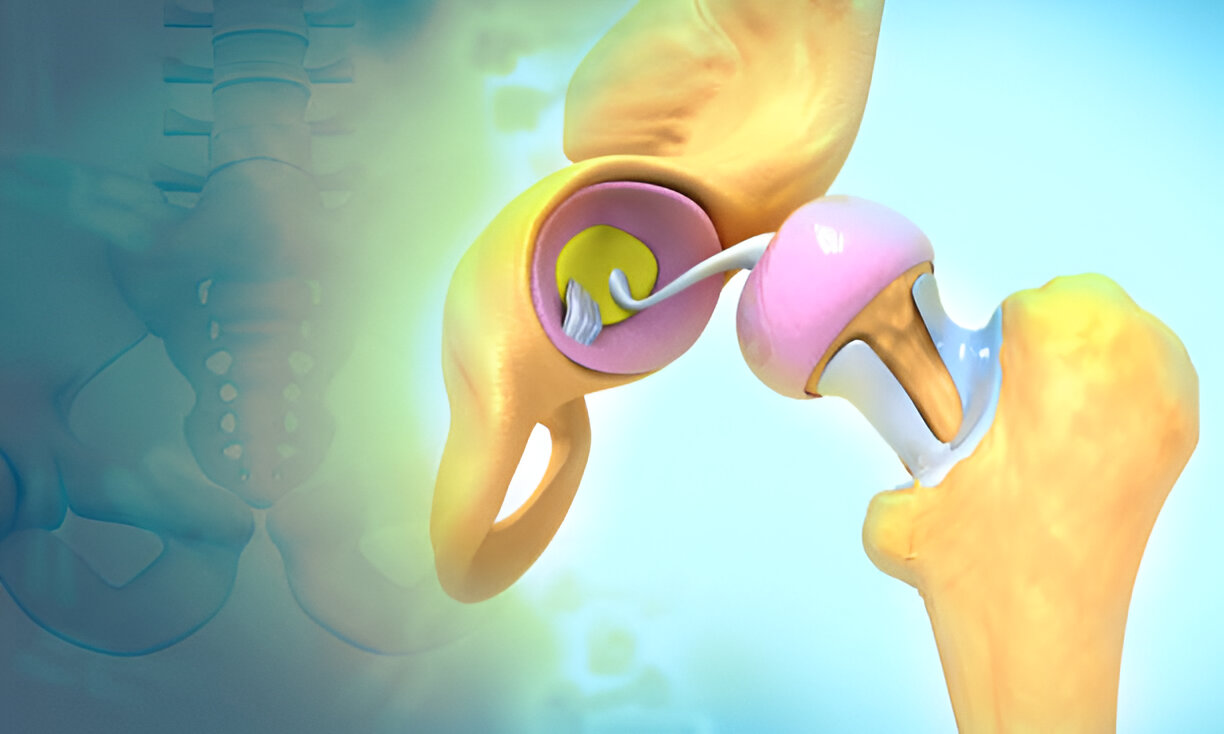
Hip Replacement Surgery (Part-I)
Hip replacement surgery, or hip arthroplasty, is an advanced orthopedic procedure that helps relieve pain and restore mobility in people suffering from severe hip joint problems. Conditions like osteoarthritis, rheumatoid arthritis, hip fracture, and avascular necrosis often lead to joint stiffness and pain, making daily tasks challenging. The surgery involves replacing the damaged bone and cartilage with artificial implants made of metal, ceramic, or plastic, which function like a natural hip joint. With modern medical techniques, both total and partial hip replacements can provide long-lasting relief, improved mobility, and better quality of life.
What is Hip Replacement Surgery?
Hip replacement surgery, or hip arthroplasty, is a commonly performed orthopedic surgery in which the damaged hip joint is replaced with an artificial implant. These implants, made from durable materials like metal, ceramic, or high-grade plastic, are designed to mimic the natural function of the hip joint. The surgery significantly reduces pain, enhances mobility, and improves the overall quality of life for patients with severe hip problems.
Who Needs Hip Replacement Surgery?
Not everyone with hip pain needs surgery. Doctors typically recommend hip replacement when:
- Severe Osteoarthritis: The most common reason, causing stiffness, swelling, and pain.
- Rheumatoid Arthritis: Chronic inflammation that damages the joint.
- Avascular Necrosis: Loss of blood supply to the hip bone leading to collapse.
- Hip Fractures: Especially in elderly patients where healing is difficult.
- Congenital or Developmental Hip Diseases: Abnormal growth that damages the joint.
Warning Signs You Might Require Hip Replacement
- Persistent hip pain, even while resting or at night.
- Difficulty walking, standing, or climbing stairs.
- Reduced range of motion and stiffness in the hip.
- Dependence on painkillers for daily activities.
- Difficulty performing basic movements like sitting, bending, or rising from a chair.
Advantages of Hip Replacement Surgery
- Pain Relief: Significant reduction in hip pain for most patients.
- Improved Mobility: Restores flexibility and motion in the hip joint.
- Better Quality of Life: Patients can return to normal activities.
- Durable Results: Modern implants can last 15–20 years.
- Minimally Invasive Options: Faster recovery with advanced techniques.
Disadvantages of Hip Replacement Surgery
- Surgical Risks: Possibility of infection, blood clots, or anesthesia complications.
- Implant Wear: Over time, artificial joints may loosen or degrade.
- Activity Limitations: High-impact activities like running may be restricted.
- Revision Surgery: Some cases may require repeat surgery.
Hip replacement surgery is a safe and highly effective option for people with severe hip damage. While it offers pain relief and better mobility, patients should also be aware of potential risks. In Part-II, we will discuss the surgical procedure, recovery process, and life after hip replacement.

© 2025 Limelite. All rights reserved.