


Top 10 Warning Signs You Should See an Orthopedic Specialist
Our bones, joints, and muscles keep us moving, active, and independent. But when something starts to feel “off” persistent pain, swelling, or stiffness, it might be time to visit an orthopedic specialist. These medical experts diagnose and treat issues related to the musculoskeletal system, helping patients return to a pain-free, functional life. If you're ignoring warning signs, you could risk long-term complications. Here are the top 10 signs that it’s time to see an orthopedic doctor.
1. Chronic Joint or Bone Pain
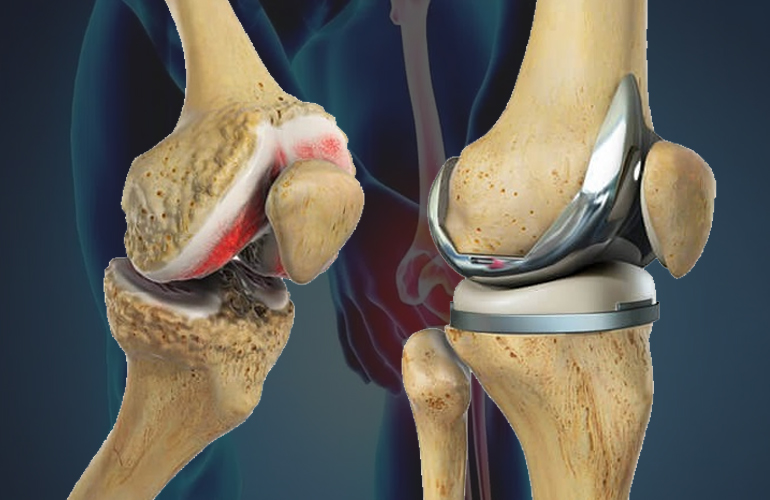
Pain that lasts more than three months is considered chronic and shouldn’t be ignored. Whether it's in your back, knees, hips, or shoulders, persistent pain could indicate arthritis, osteoporosis, or degenerative joint diseases.
2. Limited Range of Motion
Struggling to raise your arm, bend your knee, or turn your neck can signal joint inflammation, injury, or early arthritis. If you find your range of motion decreasing day by day, consult an orthopedic specialist.
3. Difficulty Walking or Standing
If basic movements like standing, walking, or climbing stairs become painful or unstable, it could point to a problem with your hips, knees, or spine. This is especially important for older adults, as it could also signal early stages of joint degeneration or even fractures.
4. Frequent Muscle, Tendon, or Ligament Injuries
Recurring sprains, muscle tears, or tendonitis could be a sign of an underlying biomechanical issue or improper healing. A specialist can recommend therapies to strengthen weak areas and prevent future injuries.
5. Numbness or Tingling Sensations
Persistent numbness, tingling, or weakness in your hands, arms, or legs might be related to compressed nerves or herniated discs. These conditions need timely attention to prevent permanent nerve damage.
6. Swelling or Redness Around Joints
Inflammation in or around a joint that doesn’t subside with rest and home remedies may suggest an infection, gout, or inflammatory arthritis. Orthopedic evaluation is essential to prevent complications.
7. Pain from Repetitive Motions
If your job or hobby involves repetitive movement (like typing or sports), and you're experiencing localized pain, you might be developing a repetitive stress injury like carpal tunnel syndrome or tennis elbow.
8. Inability to Perform Everyday Activities
Struggling with routine tasks like opening jars, lifting grocery bags, or getting dressed may point toward joint or muscle deterioration. Early intervention can restore functionality before the condition worsens.
9. Bone Deformity or Visible Changes
A sudden change in posture, uneven shoulders, or bowed legs are clear indicators of musculoskeletal problems. These deformities may need braces, therapy, or even surgery for correction.
10. Post-Injury Pain That Won’t Go Away
After a fall, accident, or sports injury, if the pain doesn't go away with rest, ice, or medication, it's time to seek professional help. Lingering pain may indicate a hidden fracture, torn ligament, or cartilage damage.
Final Thoughts
Ignoring the signs your body gives you can lead to more serious complications in the future. Whether you’re an athlete, a working professional, or a senior citizen, staying proactive about joint and bone health is crucial. If you’re experiencing any of these warning signs, don’t delay, consult an orthopedic specialist, and take the first step toward a healthier, more active life.
© 2025 Limelite. All rights reserved.