

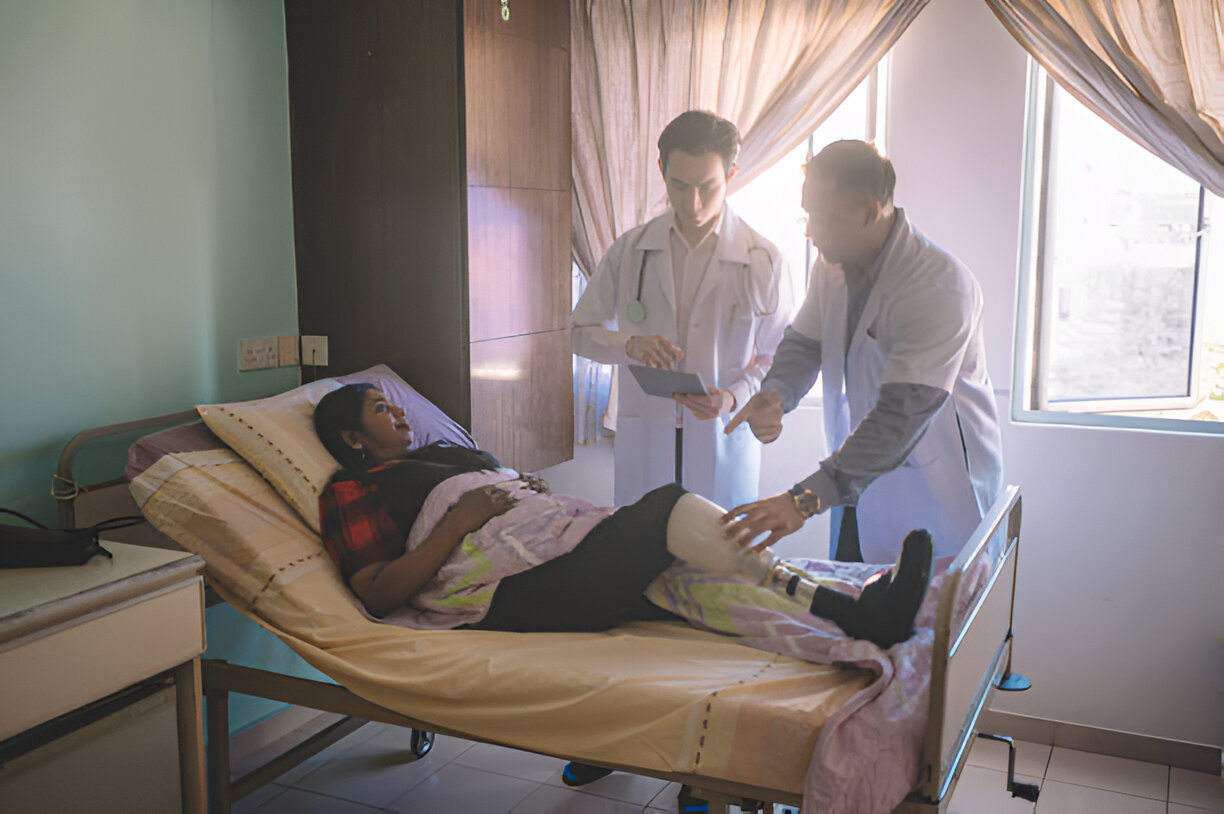
Tips for a Smooth Recovery After Orthopaedic Surgery
Orthopaedic surgery, whether for joint replacement, fracture repair, or ligament reconstruction, can significantly improve mobility, relieve pain, and restore quality of life. However, a successful surgery is only half the journey. Recovery plays a critical role in achieving optimal outcomes. Whether you're recovering from a knee replacement or a shoulder surgery, following the right steps can help ensure a smoother, quicker healing process.
Here are some essential tips for a smooth recovery after orthopaedic surgery:
Follow Your Surgeon’s Instructions
The most important advice is to strictly follow your surgeon’s post-operative instructions. This includes guidelines on wound care, medications, physical activity, and diet. Every surgery and patient is unique, so your surgeon’s recommendations are tailored to your specific condition and procedure.
Manage Pain Effectively
Post-surgical pain is normal, but effective pain management helps you recover faster. Take prescribed pain relievers as instructed. Avoid skipping doses early in recovery, as it may make pain harder to control. Always consult your doctor before taking over-the-counter medications or supplements.
Stay Active
While rest is important, prolonged inactivity can lead to stiffness, blood clots, or delayed healing. Begin with gentle movements and walking, as advised by your physiotherapist. Gradually increase activity levels, but avoid overexertion, which can slow down recovery or cause complications.
Commit to Physiotherapy
Physical therapy is essential for regaining strength, flexibility, and function after orthopaedic surgery. Whether it’s a home program or guided sessions, consistency is key. Skipping physiotherapy can lead to poor outcomes, limited mobility, or recurring issues.
Maintain a Nutritious Diet
Healing requires energy and nutrients. Focus on a balanced diet rich in protein, vitamins (especially C and D), and minerals like calcium and zinc. Stay hydrated and avoid excessive sugar, alcohol, or processed foods that can slow healing or increase inflammation.
Keep the Surgical Site Clean and Dry
Proper wound care prevents infection. Change dressings as directed and avoid getting the area wet until your surgeon gives the go-ahead. Watch for signs of infection such as redness, swelling, discharge, or fever, and report them immediately.
Avoid Smoking and Alcohol
Smoking restricts blood flow, delaying healing and increasing the risk of infection. Similarly, alcohol can interfere with medications and impair immune response. Avoid both during your recovery period for the best results.
Get Enough Rest and Sleep
Your body does most of its healing during rest. Aim for at least 7–8 hours of quality sleep per night. If you’re uncomfortable due to the surgical site, use pillows for support and discuss sleep aids with your doctor if necessary.
Monitor Your Progress
Keep track of your recovery—note pain levels, mobility, and any unusual symptoms. Attend follow-up appointments without fail so your surgeon can assess healing and make adjustments as needed.
Recovering from orthopaedic surgery requires patience, discipline, and proactive care. By following your doctor’s instructions, staying active, eating well, and attending physiotherapy, you can speed up recovery, reduce complications, and return to your normal life faster and stronger.

© 2025 Limelite. All rights reserved.